New construction · New Braunfels, TX
New Construction Plumbing in New Braunfels, TX
Plumbing a new home goes in three stages, and each one has to pass a City inspection before the next trade can start. We plumb custom homes, additions, casitas and barndominiums from the underground lines to the last faucet. Already moved into a new build? We check the plumbing before your builder’s warranty runs out.
Licensed by the TSBPE · Upfront price before we start · Call us to check plumber availability
 Photos are illustrative examples.
Are you building, or did you just move in?
 Part A
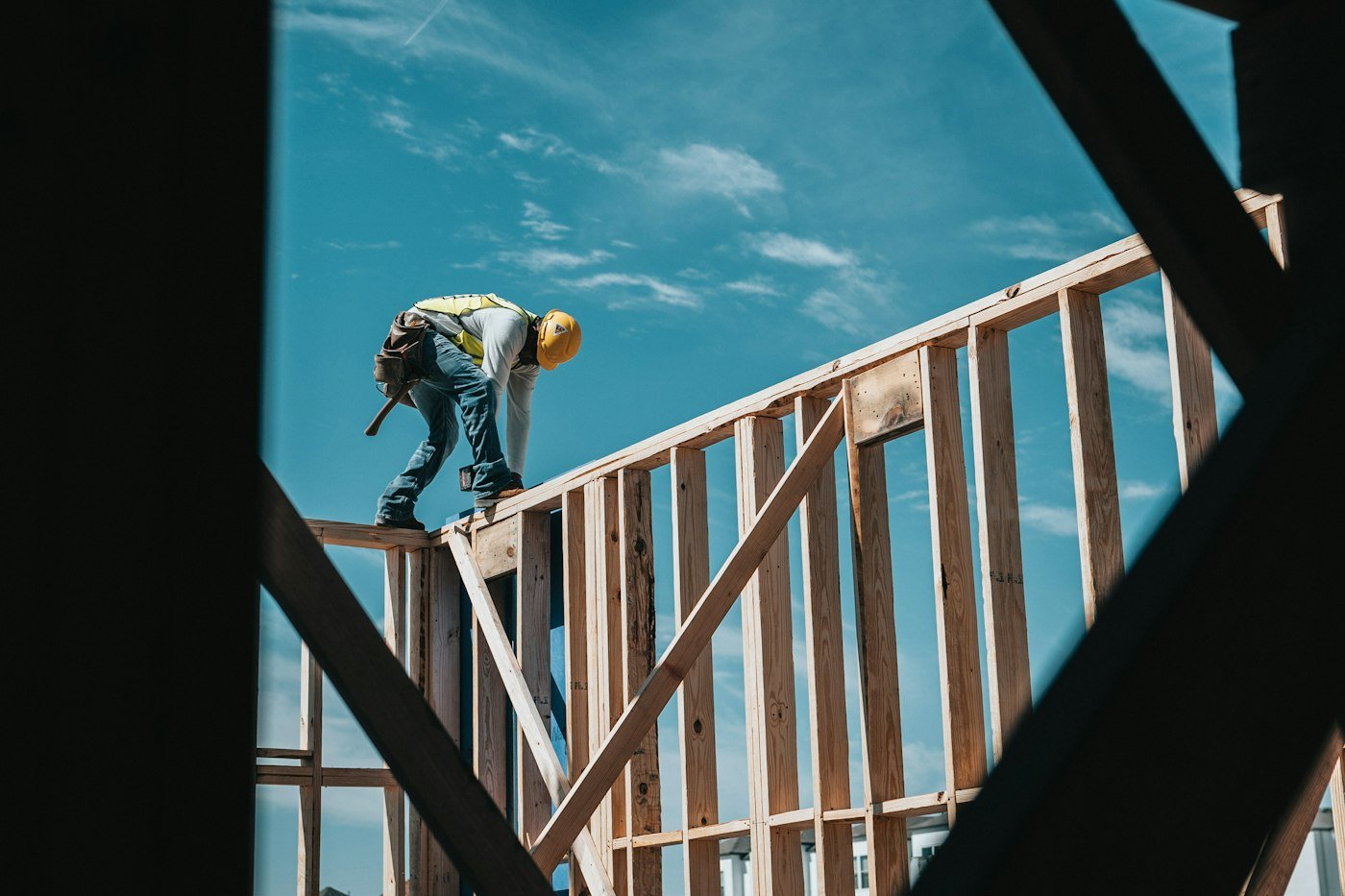
Building a home, addition, casita or barndominium
- Underground, top-out and trim-out plumbing
- City inspections and code tests
- NBU meters, irrigation meter and CSI
- Comal County lots on septic and wells
 Part B
Moved into a new build
- Leaks, pressure and water heater issues
- An 11-month warranty plumbing check
- What to document for your builder
- Softener and sewer checks
Building in New Braunfels
Custom homes · additions · casitas · barndominiums
From bare dirt to final: the stages of new construction plumbing
- City: DWV below the slab
Underground
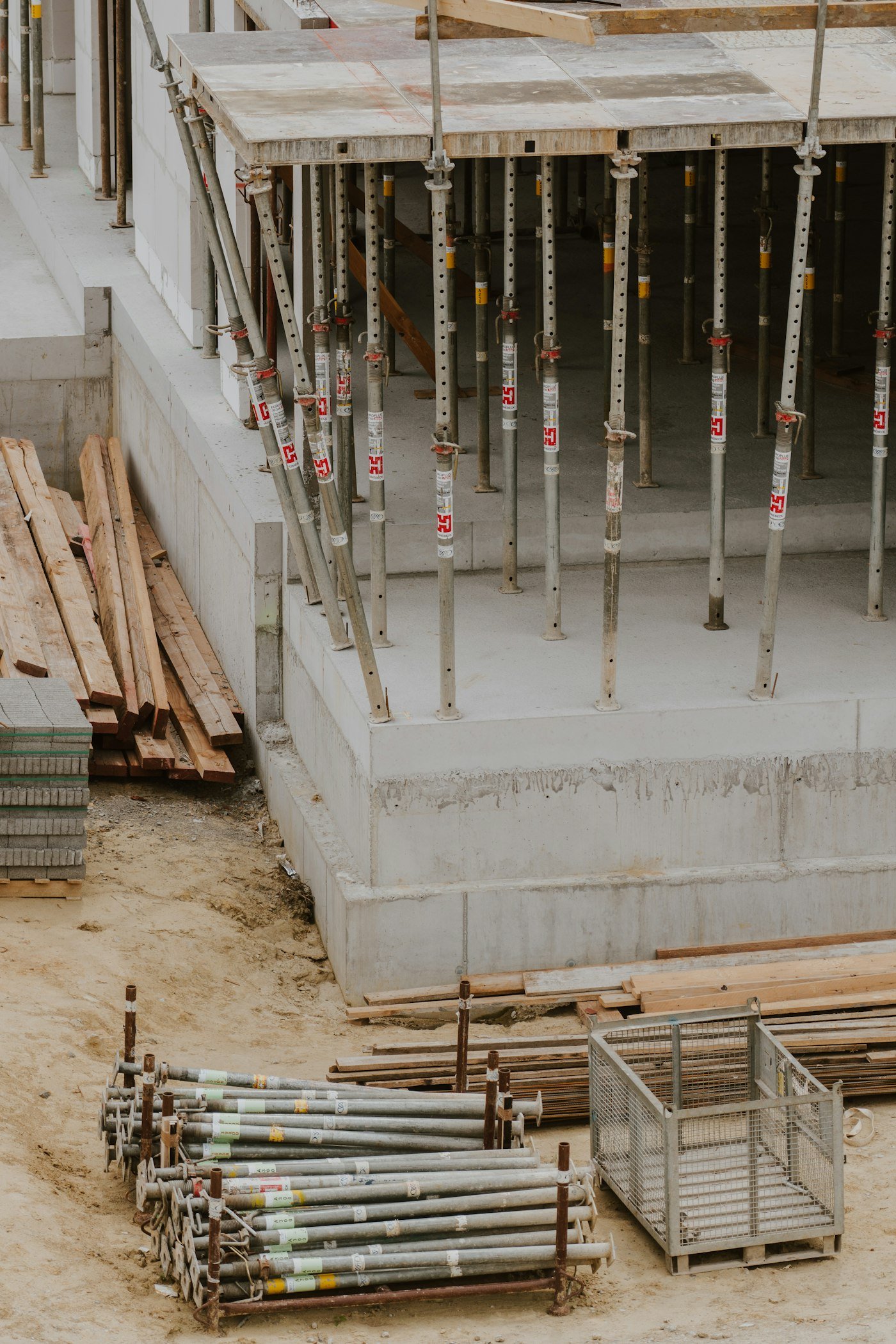
We lay the drain, waste and vent lines and the sleeves inside the form boards, with stub-outs where every toilet, tub, shower and floor drain will be. The City’s list notes the form survey must be uploaded first.
Test: water to at least 10 feet above the highest fitting, held 15 minutes.
- City: Water line · Sewer line
Water & sewer
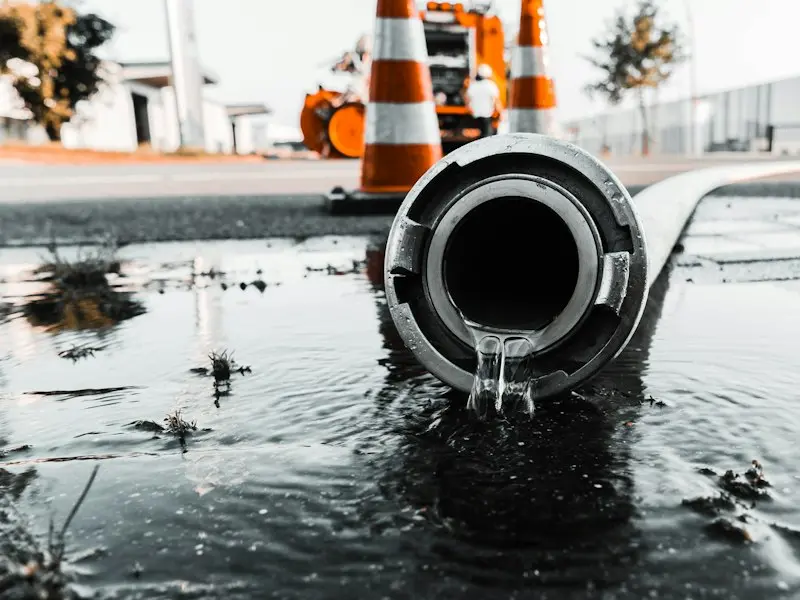
We run the water service from the meter and tie the building drain to the sewer tap or septic line.
Test: lines checked before backfill.
- City: Plumbing rough (with framing, electrical, mechanical)
Top-out
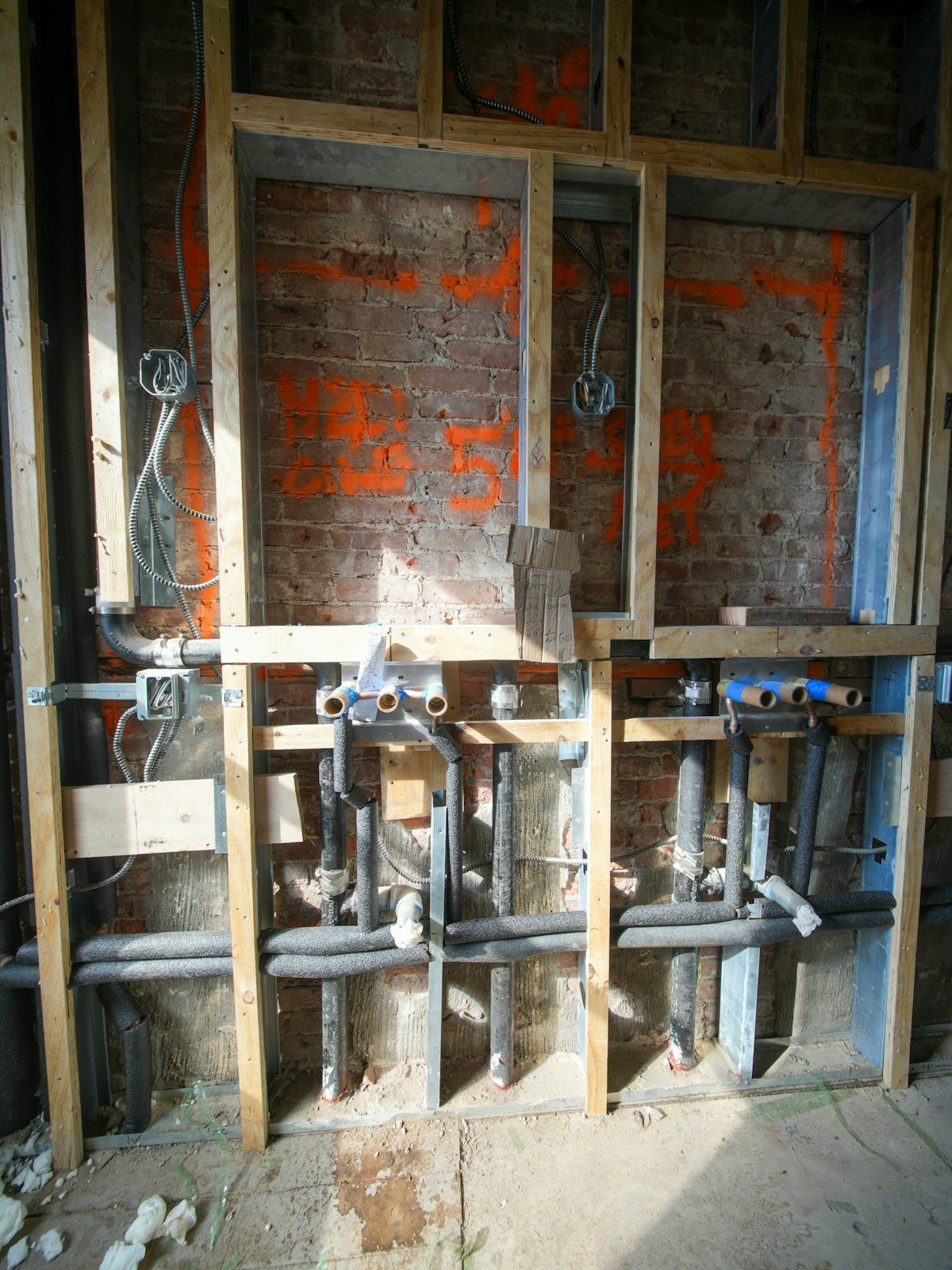
With the frame up, we run supply lines, drains and vents through the walls and roof, add nail plates near stud edges, and set tub and shower valves, gas lines and water heater connections.
Test: water lines held at working pressure for 15 minutes.
- Before finals

Trim-out
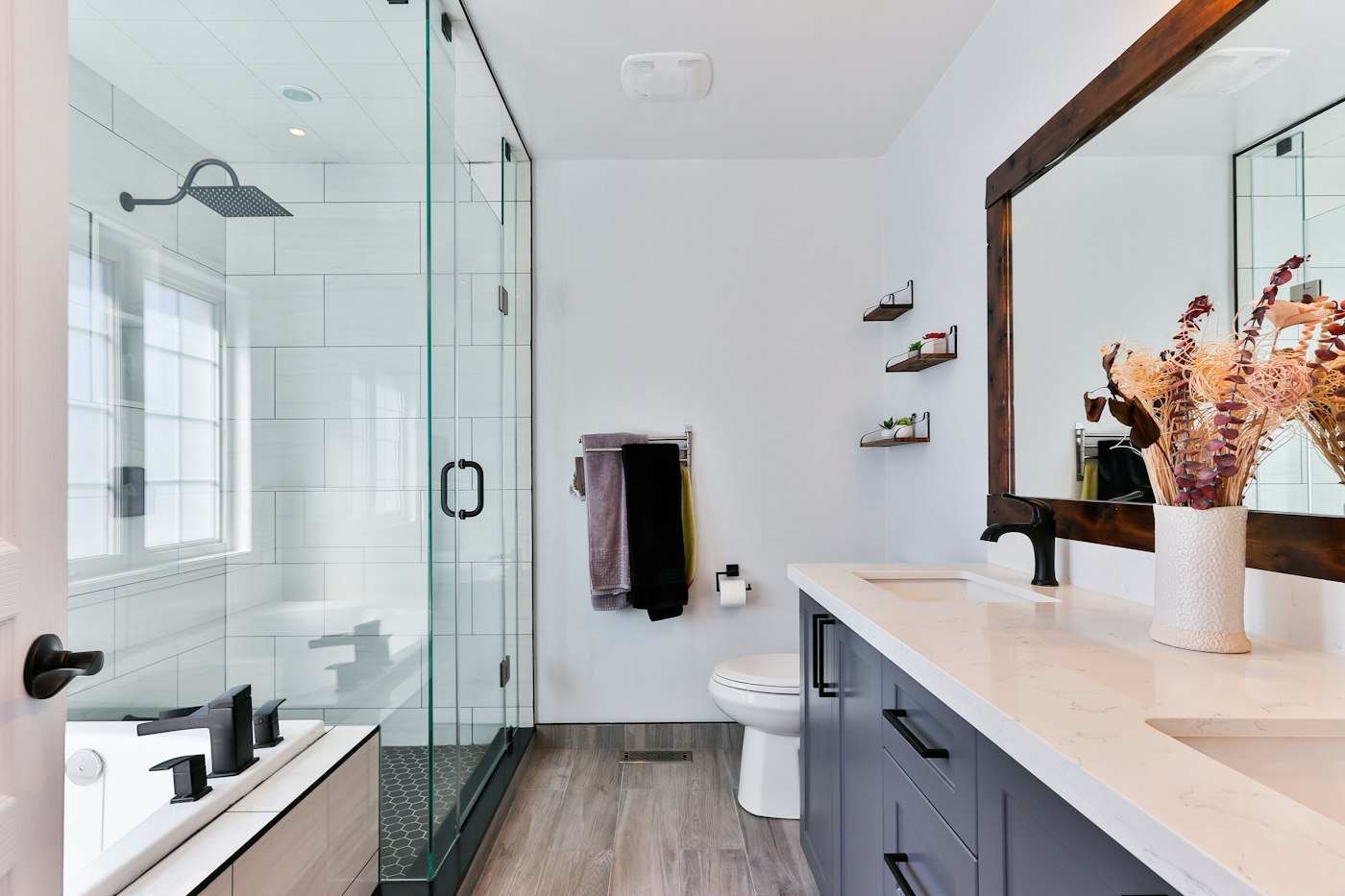
After drywall, paint and cabinets, we set the fixtures: toilets, faucets, angle stops, disposal, water heater, softener connections and hose bibs.
- City: Gas final · Plumbing final
Finals
Finals are done together, and the City requires every final to be approved before anyone moves in.
Inspection names from the City of New Braunfels residential inspection list. Code tests from the 2021 International Residential Code, sections P2503.5.1 and P2503.7.
What are the stages of new construction plumbing?
There are three working stages. Underground plumbing goes in before the slab is poured. Top-out runs supply lines, drains and vents through the framed walls and roof. Trim-out sets the fixtures after drywall and cabinets. Each stage is tested and inspected, and the plumbing final happens with the other finals before move-in.
What plumbing inspections does the City of New Braunfels require for a new home?
The City’s residential inspection list includes plumbing below the slab (DWV), the water line, the sewer line, and a plumbing rough done together with framing, electrical and mechanical. Gas gets its own final, and the plumbing final is scheduled with the other finals. The home can’t be occupied until all finals pass.
What does a plumbing rough-in inspection check?
The inspector checks that pipe sizes, materials, slope, venting, supports and cleanouts match the code and the approved plans, and that the system passes its test without leaking. They also look for nail plates where pipe runs close to stud edges. The City requires approved plans on site at every inspection.
How is new plumbing tested before the slab is poured or the walls are closed?
Under the 2021 IRC, drain and vent piping is filled with water to at least 10 feet above the highest fitting and held 15 minutes, or tested with air or vacuum. Water supply piping is held at working pressure for 15 minutes. Nothing gets covered until the test passes and the inspector signs off.
Decide these before the walls close
Manifold: each fixture gets its own line and shut-off. Trunk: fewer feet of pipe. A labeled manifold makes leak isolation easy later.
Tankless needs gas sizing, venting and a service valve kit planned at rough-in. Very hard water scales heat exchangers, so plan descale valves now.
Two stub-outs and a drain in the garage. Reported hardness is about 12–16 grains per gallon.
A cold line and drain connection under the kitchen sink. NBU uses chloramine; some prefer filtered drinking water.
A return line or pump-ready loop to the far bathroom. Spread-out single-story homes wait longer for hot water.
Required where a check valve or backflow device closes the system on a tank heater (IRC P2903.4.2). Often missed.
You may read that New Braunfels water “exceeds 20 grains per gallon.” Reported figures are about 11.8 to 15.6 grains per gallon (202–267 mg/L), and NBU says hardness varies by location, source and season. It’s very hard either way, so test your own tap before sizing a softener.
PEX manifold or trunk-and-branch: which is better for a new home?
Both meet code when installed right. A home-run manifold sends a separate line to each fixture with its own shut-off, which makes isolating a leak simple and keeps pressure steady. Trunk-and-branch uses less pipe and fewer manifold fittings. Larger homes and homes with far-apart bathrooms often benefit most from a manifold.
Should I pre-plumb a water softener loop in New Braunfels?
Yes, if there’s any chance you’ll want one. NBU’s water is very hard, with reported figures around 12 to 16 grains per gallon. A loop costs far less during rough-in than after the drywall is up. Ask for two capped stubs near the water heater or main line, a drain and an outlet.
Tank or tankless in a new build, and what does tankless need at rough-in?
Either works. Tankless saves space and runs continuously, but it needs a correctly sized gas line, a vent route, an electrical outlet and isolation valves for descaling, all planned at rough-in. A tank heater needs a drain pan where code requires one, a relief valve drain and, with a closed system, an expansion tank.
More on hardness: water softeners & filtration · Water heaters: tankless and repair & replacement
Where the pipes run matters in a Texas freeze
The February 2021 storm showed how fast pipes in exterior walls and cold attics fail. The 2021 IRC (section P2603.5) says that where the winter design temperature is 32°F or lower, pipe can’t go in exterior walls, attics or crawl spaces unless it’s protected from freezing with insulation, heat or both. Water service pipe also has to be buried at least 12 inches deep.
- ✓ Supply lines in interior wall chases
- ✓ Attic runs laid on the ceiling, under the insulation blanket
- ✕ Lines inside exterior wall cavities
- ✕ Attic runs above the insulation, near eave vents
- ✓ Frost-free hose bibs and an accessible shut-off
How do you keep new pipes from freezing in an attic or exterior wall?
Route water lines through interior walls wherever possible. In the attic, keep them low, on the warm side of the ceiling insulation and away from eave vents. Avoid exterior wall cavities, insulate any line that has to be near cold air, and use frost-free hose bibs. Bury the water service at least 12 inches deep.
Permits, meters and inspections: who handles what
Inside city limits. Inspections are scheduled for the next business day; the site must be unlocked and approved plans on site.
Taps and meters for the home.
A separate meter if the home gets an irrigation system.
Before NBU starts continuous water service at new construction.
Outside city sewer areas, with a design from a registered engineer or sanitarian.
For building in a designated flood hazard area.
Sources: City of New Braunfels residential inspection list and irrigation permit form; NBU Backflow Prevention and CSI page; Comal County Engineer (Herald-Zeitung, updated 2016). Confirm current requirements with each office.
Does a new home in New Braunfels need a separate irrigation meter?
Yes, if it gets an irrigation system. NBU’s Water Systems Connection Policy, quoted on the City’s irrigation permit, requires single-family homes and small commercial sites to have separate irrigation meters when irrigation is installed. The irrigation site plan also has to show the backflow device and the meter.
What is the CSI NBU requires before turning on water at a new home?
A Customer Service Inspection checks the plumbing for cross-connections and contamination risks, such as a missing backflow device on irrigation or an illegal connection. NBU requires one before continuous water service begins at new construction, and uses Hardin & Associates for new residential properties. Your builder or plumber schedules it near the end.
Building outside city limits in Comal County: what permits apply to plumbing and septic?
Unincorporated Comal County typically requires an on-site sewage facility (septic) permit with an engineer’s or sanitarian’s design, plus floodplain and driveway permits where they apply. Texas law still requires licensed plumbers, and for new homes in unincorporated areas the supervising license holder must review and inspect the work. Confirm current rules with the County.
Additions, casitas and barndominiums
Addition on an existing slab
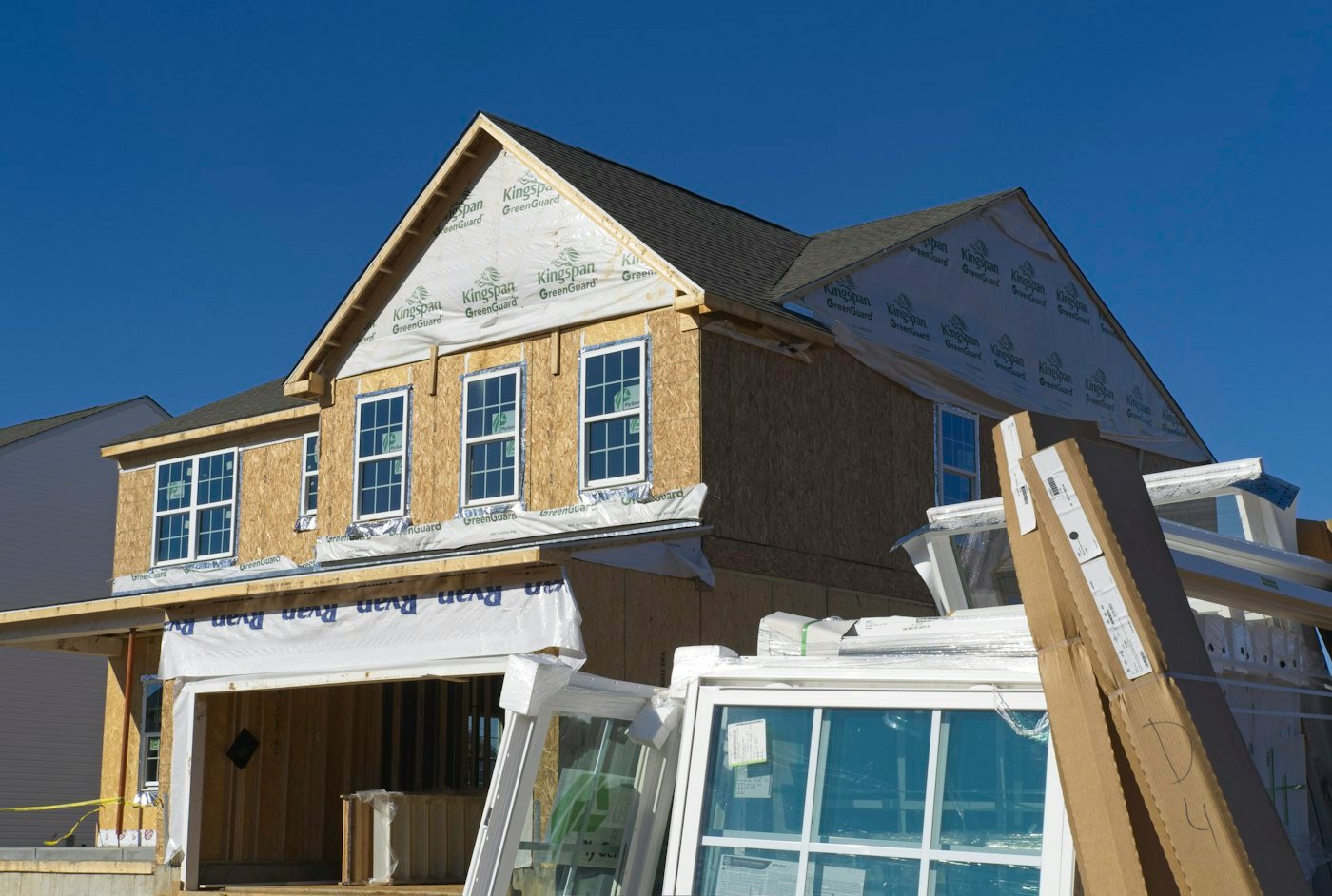
New drains must tie into the existing building drain at the right depth and slope, which usually means cutting a trench in the slab. We check the existing line with a camera first.
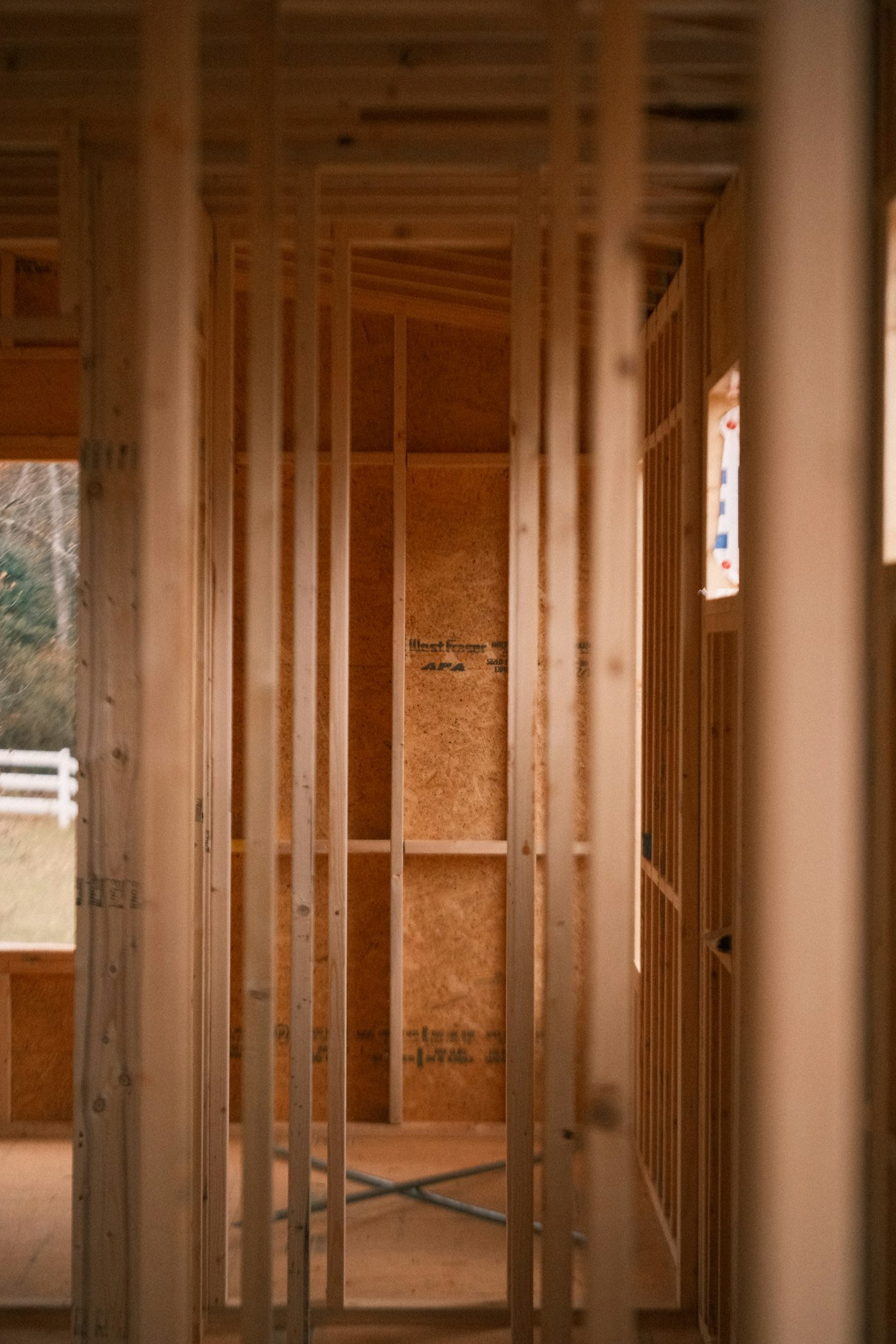
Detached casita or guest house
The water and drain lines run underground from the main house, or from the meter and the sewer tap or septic, and need to be sized for the extra fixtures.

Barndominium
Stub-out locations are fixed once the slab is poured, so the floor plan has to be final first. Metal-sided walls get cold, so keep supply lines in interior walls. County lots often add septic and a private well.
Can you add plumbing to an existing slab for an addition or casita?
Yes. For an addition, we cut a trench in the slab to reach the existing drain, check its depth and slope, then tie in and patch the concrete. A detached casita usually gets its own underground line to the sewer or septic. Both need a permit, a test and an inspection before anything is covered.
What should I plan differently when plumbing a barndominium?
Lock the floor plan before the slab pour, because every stub-out location is set in concrete. Keep supply lines in insulated interior walls, since metal-sided exterior walls get cold fast. Plan for septic and a private well on county land, and size the water heater and lines for long runs across an open floor plan.

Moved into a new build?
Find problems while your builder’s warranty still applies
Your first year in a new build: what to check before month 12
Many builders give a one-year workmanship warranty and longer coverage on some systems, but terms vary by builder and contract. Find your warranty booklet, note the end date, and schedule a plumbing check around month 11, so anything found can still be reported in time.
How to do an 11-month plumbing check on a new build
- Open every sink cabinet and look for drips, water stains, damp wood, and loose supply lines or slip joints.
- Run each faucet and shower, hot and cold, and note weak flow, sputtering or slow drains.
- Rock each toilet gently, listen for refilling between flushes, and look for water at the base.
- Check the water heater: a dripping relief valve line, water in the pan, and whether an expansion tank is installed.
- Read your water pressure at a hose bib with a gauge. Over 80 psi needs a pressure-reducing valve.
- Walk the yard and slab edges for wet spots, and watch your NBU usage for continuous-use alerts.
- Write down everything with photos and dates, and send it to your builder in writing before the warranty ends.
What plumbing problems are common in new-build homes?
The usual first-year issues are loose supply lines and slip joints under sinks, toilets that rock or run, slow drains, dripping relief valves, missing or failed expansion tanks, angle stops that weep, and pressure that’s too high or too low. Most are small, but they’re easier to get fixed while the builder’s warranty still applies.
What should an 11-month warranty plumbing check include?
Check under every sink, run every faucet and shower, test drains, rock and listen to each toilet, inspect the water heater, relief valve and expansion tank, and measure water pressure at a hose bib. Many owners add a sewer camera scope. Document everything with photos and send it to the builder in writing before month 12.
Does a builder warranty cover plumbing leaks?
Often, but it depends on your builder’s written warranty. Many cover workmanship for the first year and plumbing distribution systems longer, while excluding damage from owner changes, clogs or lack of maintenance. Read the booklet for what’s covered, how long, and how to file a claim, then report leaks in writing right away.
New home, new problem? Common causes
Pressure over 80 psi, or a pressure-reducing valve set too high or missing.
Report to the builder firstConstruction debris in the aerator or valve cartridge.
Often a quick fix; tell the builderThermal expansion with no working expansion tank, or high pressure.
Report it; don’t cap the lineLoose closet bolts or wax seal, or a fill valve or flapper problem.
Report before the subfloor gets wetConstruction debris, a sagging line, or a venting issue.
A camera scope can show it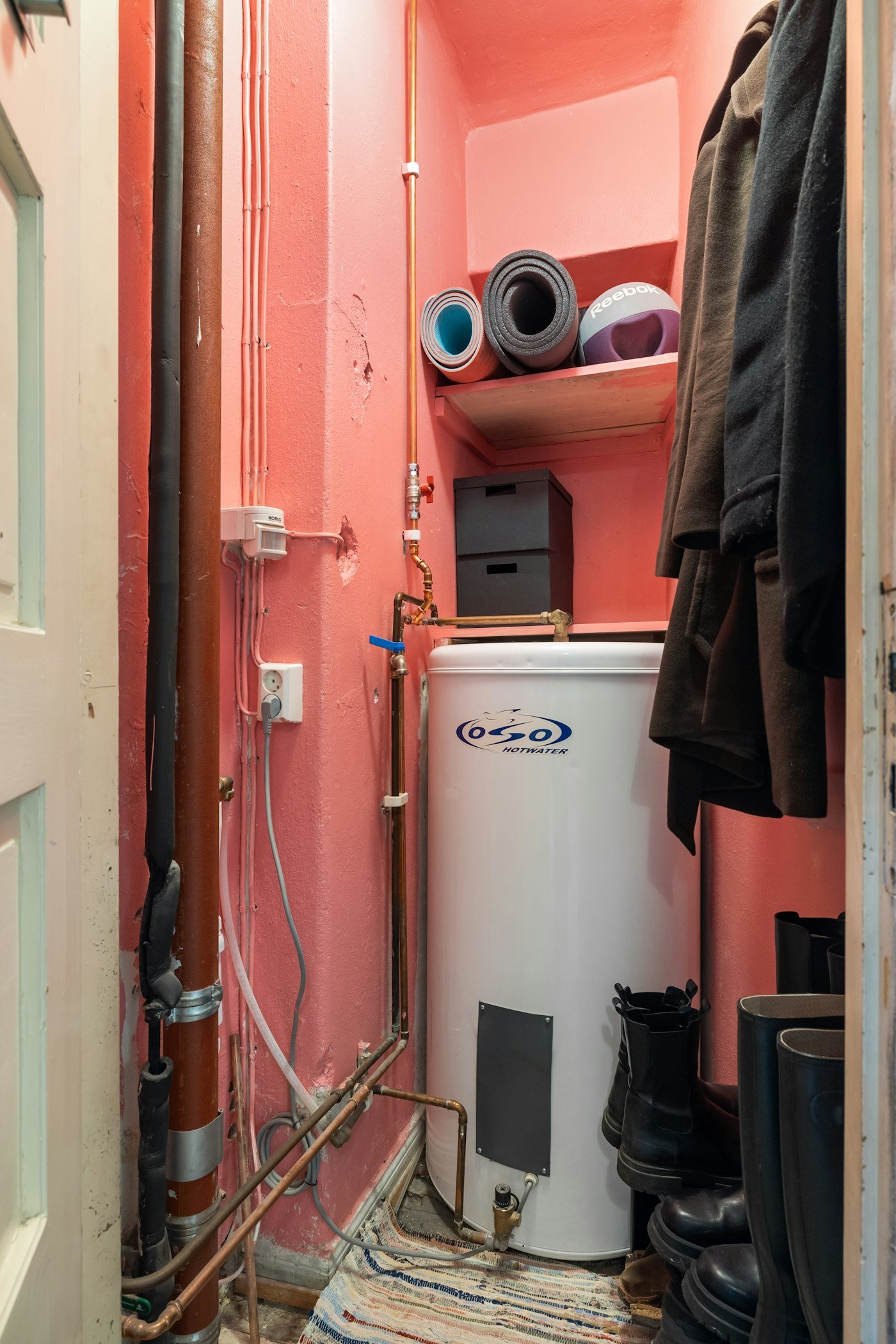 Check the relief valve line and expansion tank first.
Why is the water pressure too high or too low in my new home?
The 2021 IRC caps static pressure at 80 psi and requires a pressure-reducing valve where city pressure runs higher, so a missing or misadjusted valve can make pressure harsh. Low flow at one fixture is often construction debris in an aerator or cartridge. Test at a hose bib with a gauge before calling the builder.
Why does my new water heater’s relief valve drip?
Usually because the system is closed and pressure rises as the water heats. The 2021 IRC requires a pressure-control device, typically an expansion tank, where a backflow device or check valve closes the system. High street pressure or a failed valve can do it too. Never cap or plug the relief line.
Why is my new toilet running, rocking or leaking at the base?
A rocking toilet usually means loose closet bolts or a floor flange set unevenly, which can break the wax seal and leak at the base. Running between flushes is typically the flapper or fill valve. Stop using a toilet that leaks at the base, and report it before water reaches the subfloor or slab. More on fixing it: toilet repair in New Braunfels.
Getting a plumbing problem fixed under warranty
Use the builder’s warranty portal or email, with photos, the date you noticed it and where it is.
Report it in writing and keep copies.
Most warranties give the builder the first chance to look and repair.
Let the builder inspect.
If the answer is no, ask for the reason and the warranty section they’re relying on.
Follow up in writing.
Generic example, not a real exchange. In an emergency, shut off the water first and get the leak stopped, then notify the builder.
Will hiring my own plumber void my builder warranty?
It can, for that item. Many warranties require you to report problems to the builder and give them a chance to repair first. In an emergency, stop the leak and notify the builder right away. For non-emergencies, read your warranty, report in writing, and keep records of any outside work.
My builder won’t fix a plumbing problem. What can I do?
Put everything in writing with photos and dates, and ask which warranty section they’re relying on. Texas has a notice-and-inspection process in the Residential Construction Liability Act (Property Code chapter 27) before a lawsuit, including written notice at least 60 days before filing. Talk to a Texas attorney about your options.
We’re plumbers, not lawyers; this isn’t legal advice.
Sewer scope, softener and shut-offs in a new home

Should I get a sewer scope before my builder warranty ends?
It’s worth considering. A camera scope can show construction debris, sags or damaged joints in the line from the house to the sewer or septic, which you can’t see from inside. Doing it around month 11 means problems can still be reported to the builder. See our plumbing inspection page for what’s included.
Can I add a water softener to a new home that has no loop?
Yes. We cut into the main line where it enters the house, after the hose bib branch and before the water heater, then add a bypass, a drain with an air gap and an outlet. It’s more work than using a pre-plumbed loop but is common in New Braunfels, where the water is very hard.
Where are my main shut-off and irrigation meter in a new home?
NBU meters usually sit in a ground box near the street, and homes with irrigation have a separate irrigation meter. Inside, look for the main shut-off near where the water line enters, often in the garage, plus the water heater’s valve. Label them now, before an emergency, and show everyone in the house.
Plumbing inspection · Sewer line repair · Water softeners & filtration · Leaking now? Emergency plumber
Who can do it, and what affects the cost
In Texas, plumbing must be done by people holding the proper TSBPE license or registration, working under a Responsible Master Plumber. City inspectors check the work at each stage inside city limits.
- Number of bathrooms and fixtureseach adds lines, drains and vents
- Square footage and layoutlonger runs, more fittings
- Manifold or trunk-and-branchmaterial and fittings
- Tank or tankless, gas or electricgas sizing, venting, power
- Softener loop, RO stub, recirculationoptions added at rough-in
- City lot or county lotsewer tap vs septic, well, permits
- New-build check or sewer scopetime on site, camera work
We review your plans or walk your home, then give you an upfront price before any work starts. Call us for pricing.
Who is allowed to do plumbing on a new house in Texas?
Licensed plumbers. Texas law requires anyone other than a Responsible Master Plumber to hold the proper TSBPE license or registration and work under a licensed plumber’s supervision. Inside New Braunfels, the City inspects the work at each stage. In unincorporated areas, the supervising license holder must review and inspect new homes.
How much does new construction plumbing or a first-year plumbing check cost?
New construction plumbing depends on the number of bathrooms and fixtures, the layout, materials, water heater type, options like a softener loop, and whether the lot uses city sewer or septic. A first-year check depends on the home’s size and whether you add a sewer scope. Call us for an upfront price.
Who builds or buys new in New Braunfels, and the key dates
Problem types
- Builder warranty items
- Slab rough-in and inspections
- Running or leaking new toilets
- Missing expansion tank or high pressure
- 11-month warranty inspection
Who this is for
- Custom builders and owner-builders in Comal County
- Buyers in Veramendi, Mayfair, Meyer Ranch and other new communities
- Owners adding a casita, addition or barndominium
- Investors buying new homes as rentals
When it happens most
- Month 11: book the warranty walkthrough before the builder’s deadline
- First freeze: new homes find exposed or poorly insulated lines
- First summer: clay soil movement shows up in new slabs and yard lines
- Before closing: a pre-drywall or final check catches problems early
Underground and pipe repair examples
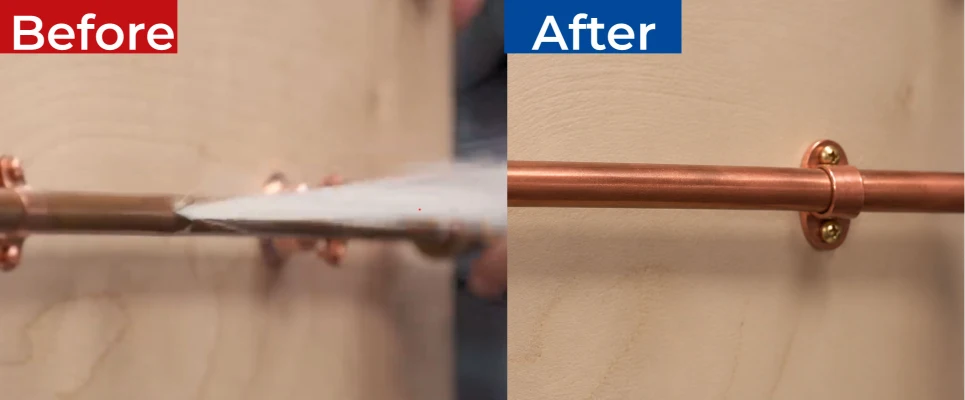
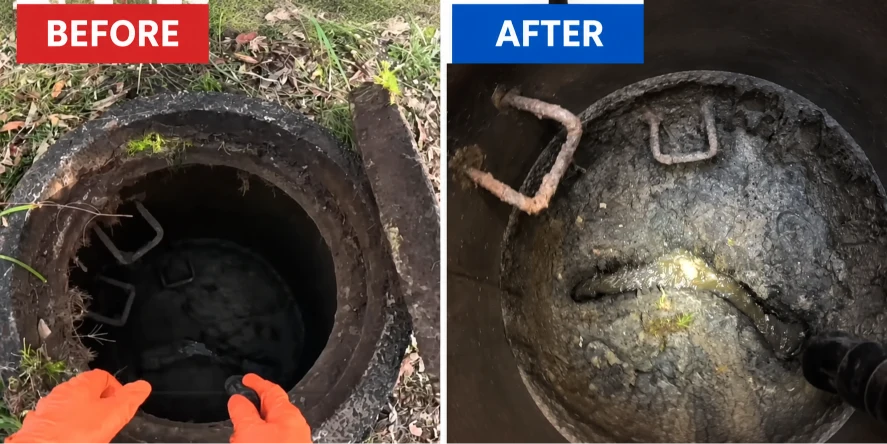
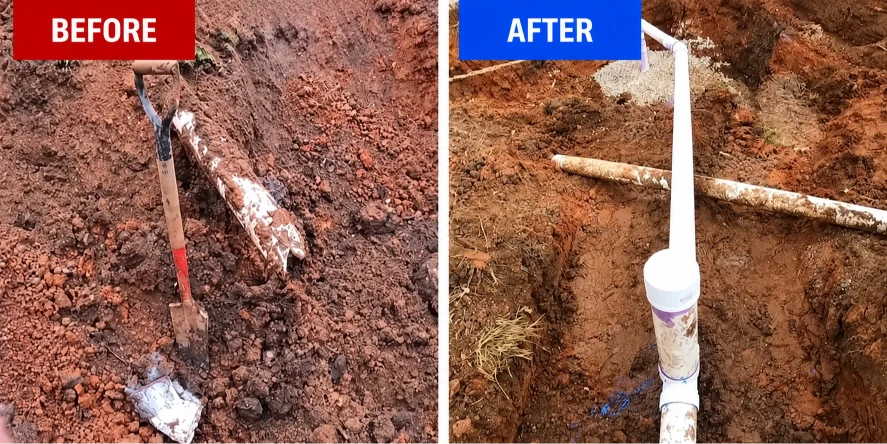
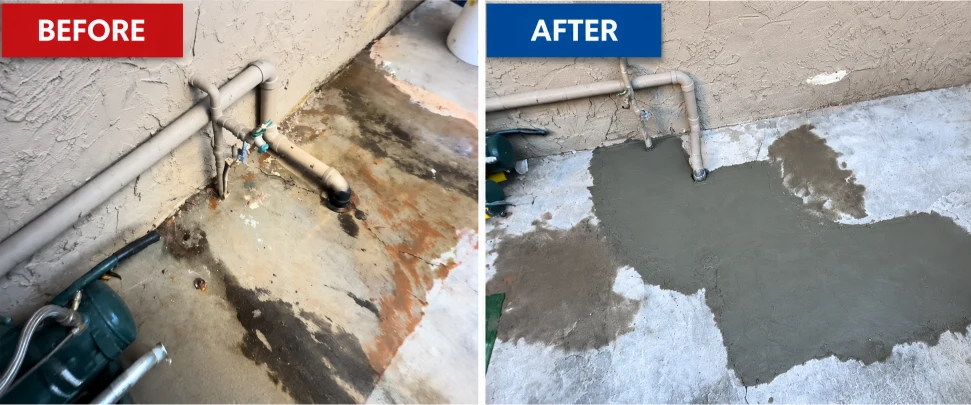
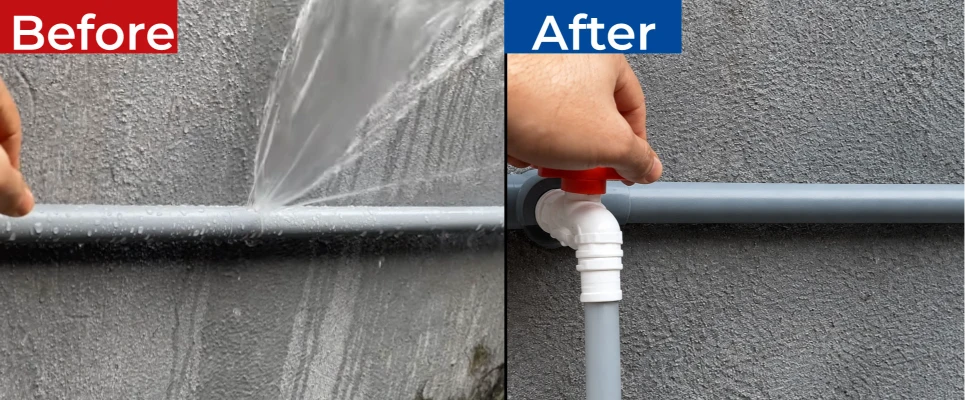
Photos are illustrative examples of typical repairs.
Building inside city limits or out in the county
New Braunfels
City building permits and inspections at each stage; NBU water, sewer and irrigation meters; a CSI before continuous service.
Comal County
County septic (OSSF) and floodplain permits where they apply; often a private well; licensed plumbing still required.
Call us to check plumber availability for your lot.
Related: Repiping · Water softeners & filtration · Tankless water heaters · Water heater repair & replacement · Sewer line repair · Slab leak repair · Leak detection · Emergency plumber · Home
Tell us about your build or your new home
Have these ready when you call:
- Building: your plans or floor plan, and which stage you’re at
- New build: your move-in date and builder warranty end date
- Your lot: inside city limits or in the county (septic or well)
Licensed by the TSBPE · Upfront price before we start · Call us to check plumber availability
About us
New Braunfels Plumbing Tx is a local plumbing service for homes across New Braunfels and Comal County, focused on emergencies, slab leaks, water heaters, drains and NBU water issues.
Contact
New Braunfels Plumbing Tx4665 FM 482, New Braunfels, TX 78132
(830) 218-7472
support@newbraunfelsplumbingtx.com
Mon–Fri 7 AM–7 PM · Sat–Sun 8 AM–5 PM
Call to check plumber availability
Licensed by the TSBPE
Sources
City of New Braunfels (Residential inspections list; Irrigation permit quoting NBU Water Systems Connection Policy §2.9.2); New Braunfels Utilities (Backflow Prevention and Customer Service Inspection); International Residential Code 2021, Texas edition (P2503.5.1, P2503.7, P2603.2.1, P2603.5, P2903.3.2, P2903.4.2); Texas Occupations Code §1301.351; Texas Property Code ch. 27; Comal County Engineer (Herald-Zeitung, updated 2016); tapwaterdata.com and aquatell.com (reported hardness); U.S. Census Bureau (ACS 2019–2023).